


#ÉDITORIAL · Live feed · United States
In Elmont, the real Haitian project is trust
By La rédaction de NAGO
4 min read
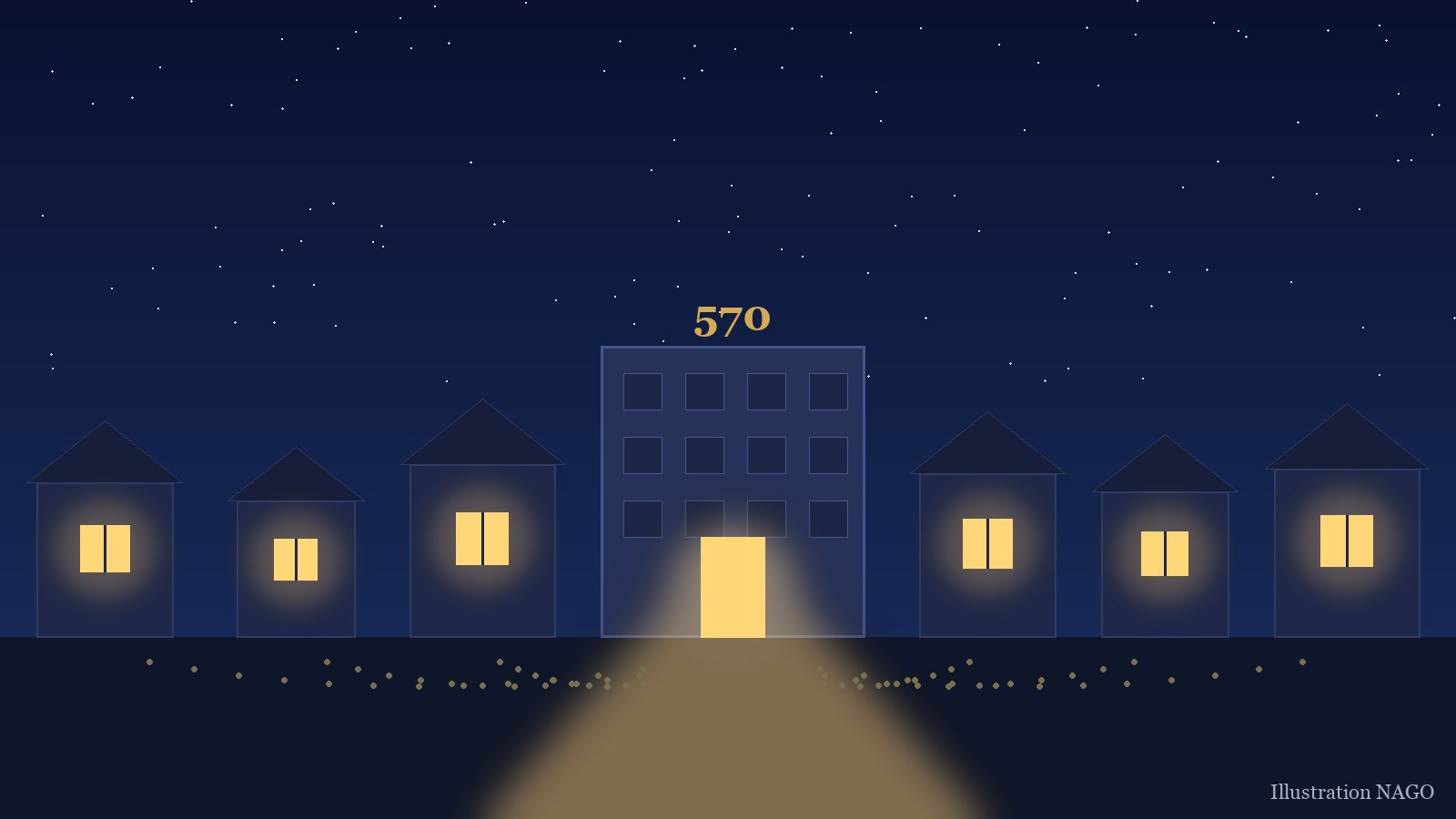
"For the Haitian community, the YMCA is a gathering place." New York State Assemblywoman Michaelle Solages is convinced of it: the future community center at 570 Elmont Road, on Long Island, could become a home for Haitian families. They are the town's largest ancestry group, about 11.6% of the population. The project is real: 18,000 square feet, a site bought for $4.8 million, and an operator, the YMCA of Long Island.
But a building does not make a community. Many of us in New York see it every day: we know we are Haitian, we recognize each other's accent, and yet we do not talk to one another. Each for his own family, each for her own church. The proverb says it better than we can: "Chak koukouy klere pou je pa l" — every firefly shines for its own eyes. Before the walls, Elmont's real project is trust.
This is not just a feeling. The AmericasBarometer surveys, run by Vanderbilt University, place Haiti among the countries in the hemisphere where people trust others the least. After the 2010 earthquake, interpersonal trust there stood at 32 points out of 100, the lowest level in the Americas. In 2020, the same survey found low trust in neighbors, and even lower trust in fellow citizens. We packed that mistrust in our suitcases.
It has a history. Under the Duvaliers, distrusting your neighbor could save your life. Then came broken promises from leaders and organizations, and each disappointment pushed people further back toward their own. The family became the only safety net. It protected us; it also closes us in.
The most telling sign is elsewhere: we do not even know how much weight we carry. No public study measures Haitian American voter turnout in New York. The first major demographic portrait of the city's Haitian community has only just been launched by CUNY's Haitian Studies Institute. A community that does not count itself does not count.
One can argue the opposite. Haitians become U.S. citizens more often than other immigrants: 61% were naturalized in 2018, against 51% of all immigrants, according to the Migration Policy Institute. We know how to fill out America's forms. But a passport is not participation. Becoming a citizen and showing up at a neighborhood meeting are two different acts.
Let us be fair. Elmont also proves that unity pays. This center exists because an elected official of Haitian descent launched a petition in 2023, then rallied with residents outside Belmont Park in January 2024, when all they were offered was a room in an arena. Rallies for TPS have filled the streets of Brooklyn. When someone organizes, we show up.
So let us show up this time, before the ribbon-cutting. The YMCA is gathering residents' needs right now, and elected officials and community leaders are due to review the plans in mid-November. Elmont's Haitian associations and churches should come together, with a single list: Creole classes, homework help, mental health support, a hall for our celebrations. Parents should enroll their children as soon as it opens. And each of us should bring along a Haitian neighbor we do not know yet.
The Elmont YMCA will have its walls in a few years. Trust does not come turnkey: it is ours to build, by walking through the same door.
Videos
Watch now.
Reporting by The Haitian Times, « For Elmont's Haitian community, a long-awaited YMCA could be more than a gym » (10 nov. 2026)
Gouverneure de l'État de New York, annonce du centre communautaire d'Elmont (30 avril 2026)
YMCA de Long Island, nouveau centre communautaire à Elmont
HaïtiLibre, enquête LAPOP après le 12 janvier : confiance interpersonnelle à 32 sur 100
Migration Policy Institute, « Haitian Immigrants in the United States » (2020)
Documented, rassemblement pour le TPS à Brooklyn (19 mars 2025)
By La rédaction de NAGO
 Jamaïque : décès de Dervan Malcolm, journaliste chevronné de Power 106 FMDervan Malcolm est décédé un jeudi à la suite d'une période de maladie. Le groupe RJRGLEANER Communications Group a présenté ses c…United Airlines: a technology outage delays departures across the U.S.A technology outage delayed United Airlines departures across the United States on Monday, Nov. 16. The airline said it resolved t…
Comments 0