


In Doha, Haiti makes its case for the TAM-1 cable and a $5.7–5.9 billion power plan
2 min read
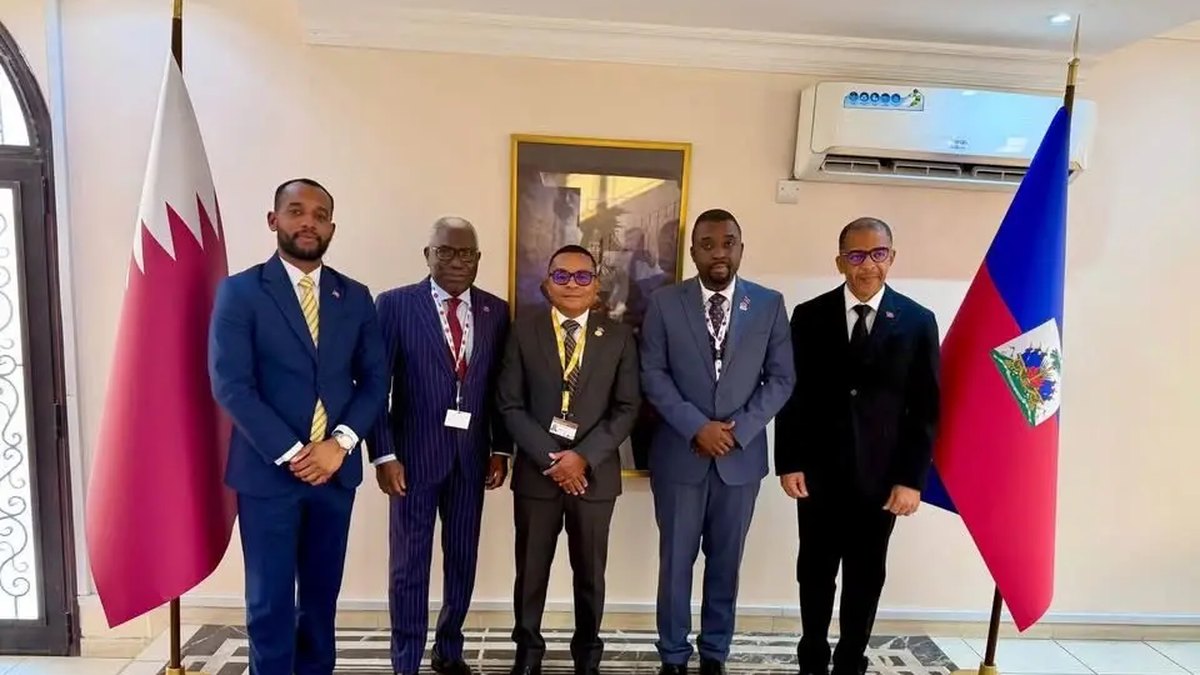
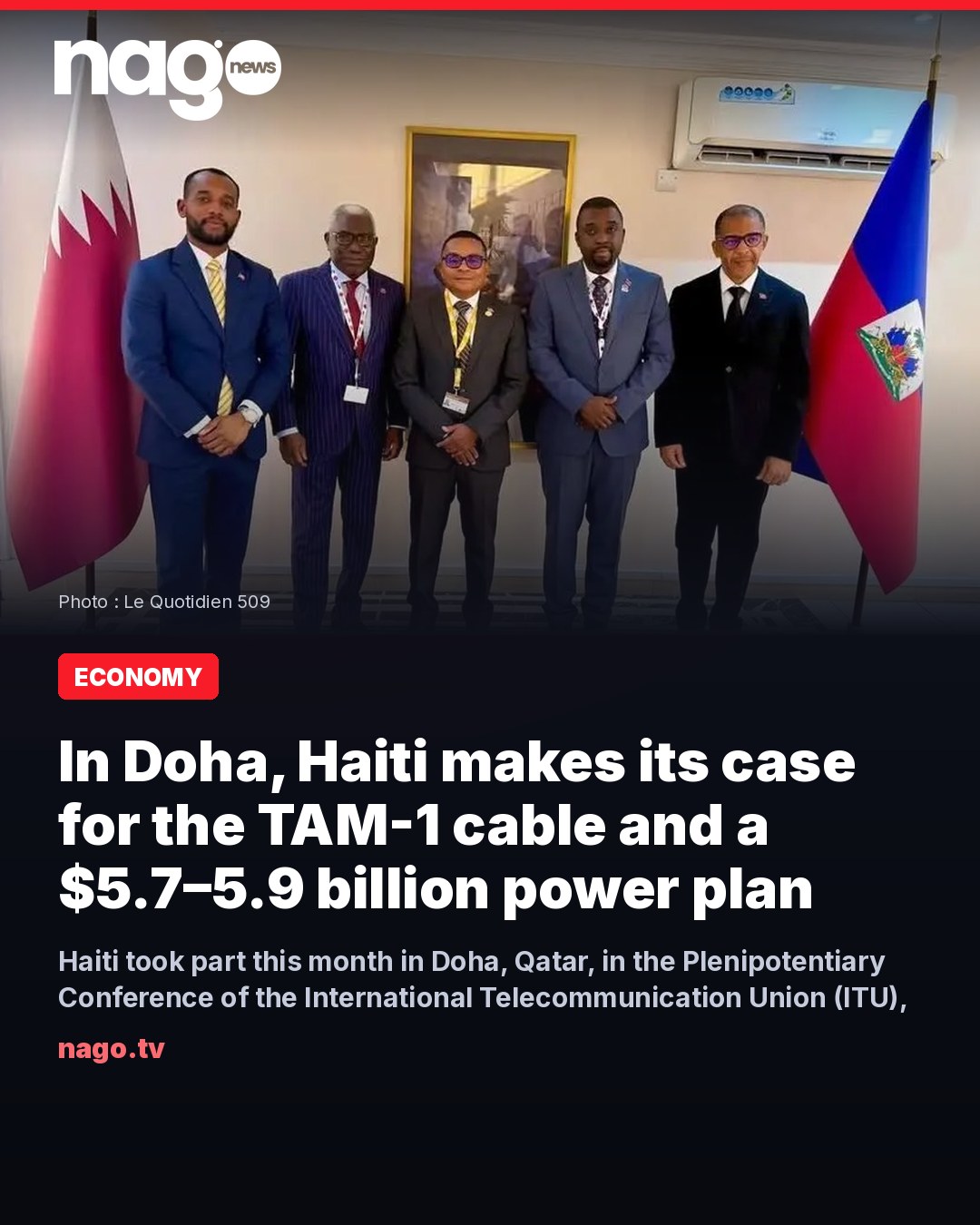
Haiti took part this month in Doha, Qatar, in the Plenipotentiary Conference of the International Telecommunication Union (ITU), the top decision-making body of the UN’s digital agency, according to the Haitian press. Held every four years, the conference runs from November 9 to 27; its 194 member states elect the ITU’s leadership and set its direction.
The delegation is led by Public Works, Transport and Communications Minister Joseph Almathe Pierre Louis, with Huguens Prévilon, director general of the National Telecommunications Council (CONATEL). It championed two projects: international connectivity and electrification.
Haiti currently depends on just two undersea cables for its internet link. The government is preparing a US$200 million, six-year program with the Inter-American Development Bank (IDB). According to the IDB project sheet cited by the press, its first phase, a US$70 million grant, is still in preparation and has not yet been approved by the bank’s board.
Its centerpiece is a connection to the TAM-1 cable, a roughly 7,000 km system linking Florida with Central America and the Caribbean. It is due to land in Cap-Haïtien, near the airport, with an initial capacity of 400 Gbps. A technical mission assessed possible sites from November 18 to 20.
The second project is the Electricity Sector Development Plan, presented on October 29 at a national workshop held by the ministry. It is estimated to cost US$5.7 to 5.9 billion and aims for 250,000 new connections by 2032, 150,000 of them through off-grid solutions, six regional grids backed by mini-grids and stand-alone solar systems, and 60% access to electricity.
The delegation was to use the conference to seek funding and investors. Most of the money for the electricity plan has yet to be found.
Watch and share
The reel and the cards for social media.
Videos
Watch now.
NAGO News, le câble TAM-1 au Cap-Haïtien (23 November 2026)
Comments 0