


The capital transformed into a field of ruins
2 min read
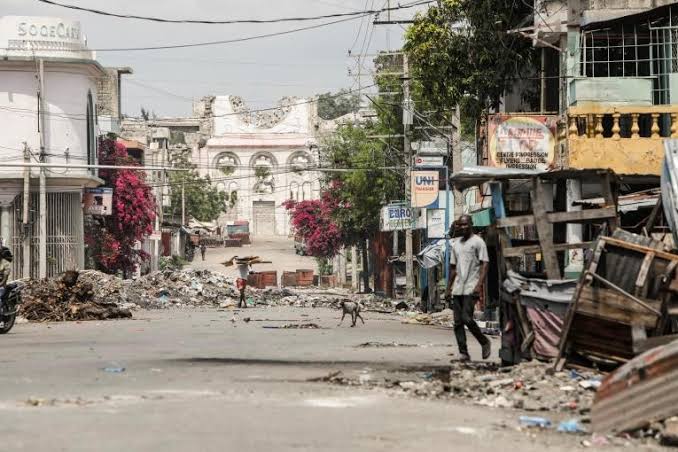
Port-au-Prince, the capital of Haiti, has been ravaged by violence that lasted more than three years. The city center, now accessible following the joint intervention of the Armed Forces of El Salvador (FAES), the Haitian National Police (PNH), and the Armed Forces of Haiti (FADH), looks like a field of ruins following a natural disaster. The streets, once bustling with daily activities, are today covered in wild vegetation that has grown since the criminals took control.
Municipal cleaning crews have begun working in the second and third districts. Mayor Salomon ordered the clearing of the streets, but the employees are facing difficult terrain with tall grass that hides the sidewalk pavement. Trucks and an excavator have been mobilized to assist with the cleanup.
Homeowners are beginning to return to the area to assess the damage caused by looting and the burning of buildings. On Rue Chavannes, Patrick Mousignac, CEO of Radio Caraïbes, and Bregard Anderson, its general manager, found that their studios and other equipment had been destroyed.
The Salomon market, once an essential place for buying tools and equipment, is now nothing more than a pile of ruins. The Sylvio Cator stadium, an important symbol of the city, is currently being rehabilitated. The area around the stadium is being cleaned by municipal crews, while Salvadoran soldiers have taken possession of the grounds after driving out the criminals.
Prime Minister Alix Didier Fils Aimé affirmed on X the determination to rehabilitate the Sylvio Cator stadium, which is considered the temple of Haitian football and the only one in compliance with FIFA standards. The goal is for this venue to be ready to host the national team.
Videos
Watch now.
Reporting by Métropole
Comments 0