


Tidal bans fully AI-made music: what it means for Haitian music
By NAGO News
3 min read
Streaming platform Tidal will start removing every fully AI-generated track from its catalogue on 9 December. About 29 million tracks are to be gone by early next year, Robert Anderson, Tidal’s lead at parent company Block, announced on 24 November, calling Tidal the first streaming service to go this far.
He said 43% of tracks delivered to Tidal in the past three months were AI-made, and 96% of those songs are never played. Since June, Tidal had already labelled them “AI” and stopped paying royalties on them. Music by artists who use AI as a tool remains allowed.
Tidal is not alone. Bandcamp has banned music made “wholly or in substantial part” by AI since January. Spotify does not remove it but takes down unauthorised voice clones and has removed 75 million tracks it considers spam. Deezer labels AI tracks, which in June made up more than half of daily uploads but only 1 to 3% of streams.
For Haitian music, the first issue is protecting artists’ voices. He apologised and announced an investigation whose outcome was never made public. Anonymous channels also post AI-generated “konpa” on YouTube. Rules like Tidal’s limit fake voices and tracks that bury real artists in searches and playlists.
Other Haitian artists use AI openly. Wyclef Jean was one of the first artists linked to Google’s AI music tool in 2024 and says he uses it to work faster: he had AI write cello parts for an orchestral version of “Gone Till November”. “I am the master of AI. AI is not the master of I,” he told Rolling Stone UK in October, while warning about plagiarism. In 2025, Aristilde Deslande released “Nap Boule”, a song about Haiti’s crisis for which he wrote the lyrics and AI generated the voice. And Carlo Chancelien billed his album ABONDANS, released on 18 November 2025, as the first AI-sung album in Haitian music, according to a promotional release. NAGO found no documented case of an AI voice imitating a major konpa star.
The second issue concerns Haitian producers already using tools such as Suno or Udio for chords, demos or backing vocals, especially in gospel. They will need to disclose their use of AI clearly to their distributors so their tracks are not mistaken for fully generated music. Independent artists who self-release will need clean credits and metadata.
The direct impact will be small: Tidal is minor next to YouTube, Spotify and Apple Music, and konpa bands earn most of their income on stage, not from streaming. But the trend is clear, and it could become an asset. Compas, added to UNESCO’s intangible cultural heritage list in December 2025, is made by musicians, singers and a crowd. As the site Explicite Net put it this year, “technology can copy the sound, but hardly the soul”.
This article was corrected on November 25, 2026.
Watch and share
The reel and the cards for social media.
Videos
Watch now.
Reporting by Euronews, « Tidal bans AI music in a bid to promote fairness in industry » (24 November 2026)
Engadget, « Tidal is banning AI-generated music entirely » (24 November 2026)
Tidal (Instagram), annonce du 24 November 2026
TechCrunch, Tidal coupe la monétisation de la musique IA (29 June 2026)
Bandcamp, « Keeping Bandcamp human » (13 January 2026)
Spotify, nouvelles protections contre l’IA (25 September 2025)
Deezer, la musique IA dépasse 50 % des mises en ligne quotidiennes (juil. 2026)
XXL, MechansT retire un titre avec une voix IA de Kendrick Lamar
Music Business Worldwide, Google Music AI Sandbox avec Wyclef Jean (15 May 2024)
AfroTech, Wyclef Jean et l’IA (21 May 2026)
Rolling Stone UK, entretien avec Wyclef Jean (6 October 2026)
Vant Bèf Info, « Nap Boule » : quand l’IA met en musique la réalité haïtienne (3 March 2025)
Carlo Chancelien, ABONDANS (Apple Music)
BlackNews, communiqué de promotion sur ABONDANS (4 December 2025)
Explicite Net, « Le kompa face à l’intelligence artificielle » (15 May 2026)
FICOM, « L’impact de l’intelligence artificielle sur la musique haïtienne » (1 April 2026)
UNESCO, le compas d’Haïti au patrimoine culturel immatériel
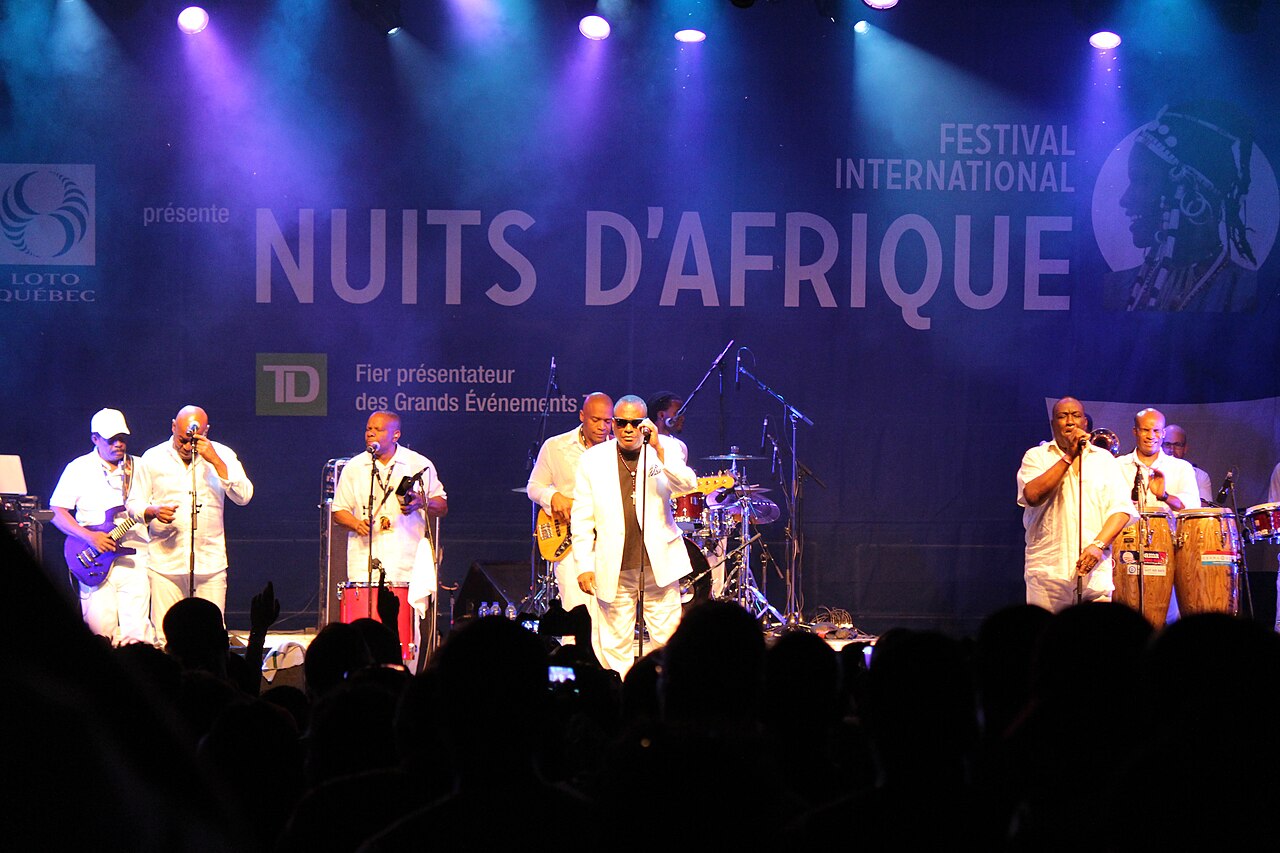
Photo : Didier Moïse, Wikimedia Commons, CC BY-SA 4.0
By NAGO News
Comments 0